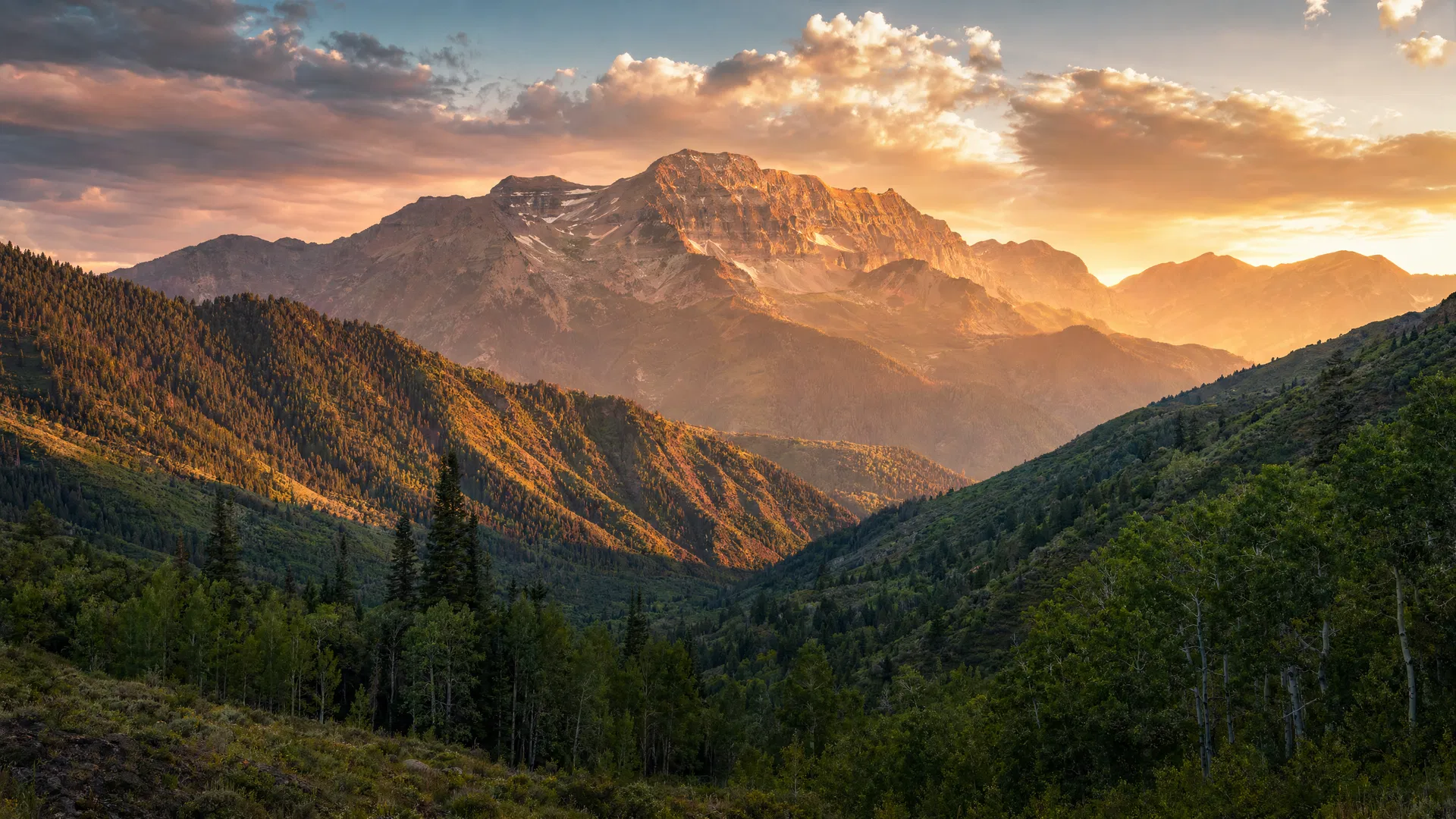
There are places that call to you before you fully understand why. Provo Canyon is one of those places. Framed by the towering presence of Mount Timpanogos and carved over millennia by the Provo River, the canyon holds a kind of gravity—a pull that has drawn people to its walls, its waters, and its light for generations.
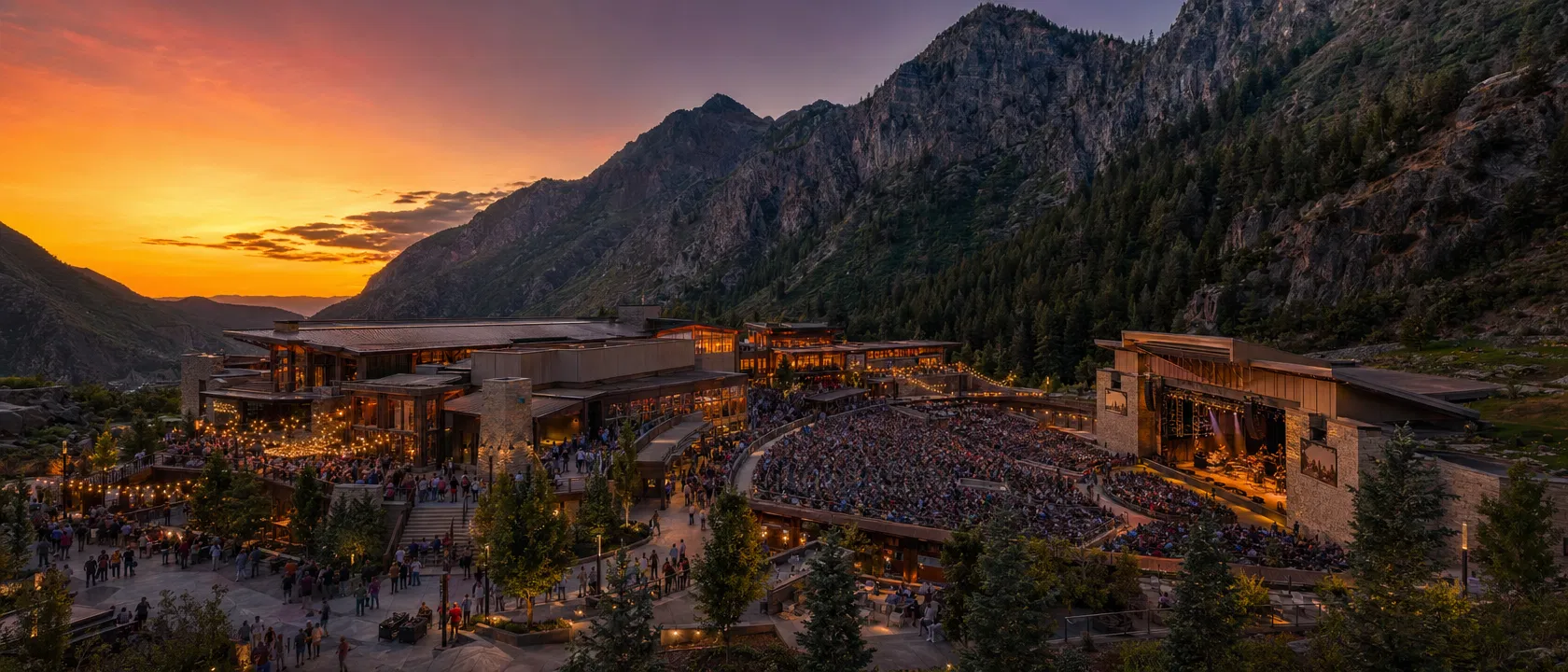
When the Vesper team first walked the site that would become the amphitheater, they found something unexpected. Not pristine wilderness, but a landscape scarred by decades of industrial quarrying. Exposed rock faces. Compacted soil. A place that had been used, extracted from, and left behind. And yet, even in its damaged state, the site possessed an undeniable power. The way the canyon walls framed the sky. The acoustics that seemed to amplify even a whispered conversation. The golden light that poured through the gap at sunset, painting everything in amber and rose.
A Landscape Worth Healing
The decision to build here was not about convenience. It was about responsibility. The Vesper vision has always been rooted in a fundamental belief: that the best way to honor a place is to restore it. Where others saw a liability—a damaged industrial site with environmental challenges—the Vesper team saw an opportunity to demonstrate that development and restoration could be the same act.
"We didn't choose this site despite its damage. We chose it because of the opportunity to heal it. Every acre we restore is a promise kept to the land and to the community."
— Jordan Reese, Executive Director
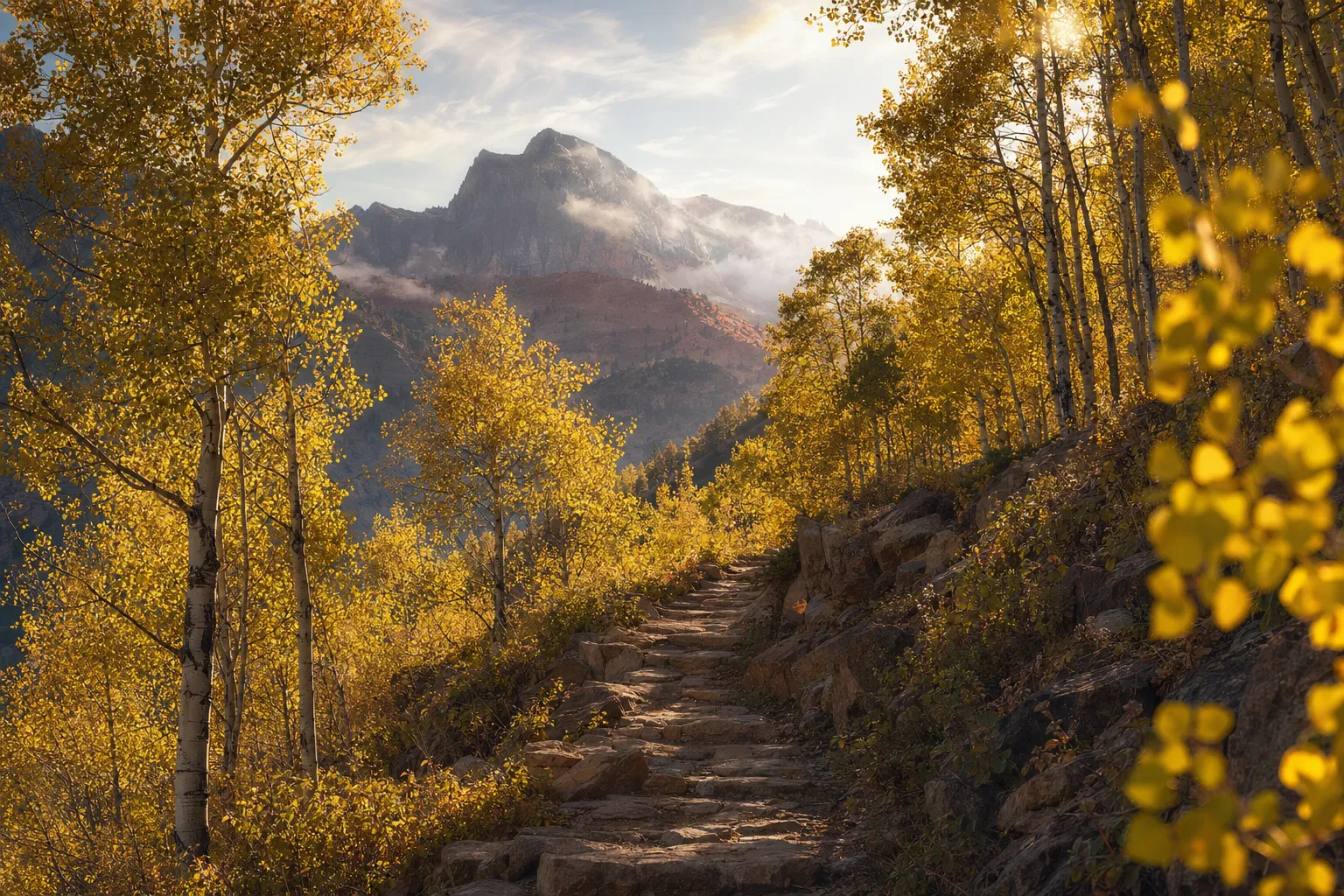
The restoration plan is comprehensive. Two hundred and forty-five acres of previously damaged land are being returned to native habitat, with indigenous plant species reintroduced and wildlife corridors established. The Provo River watershed, which had been impacted by decades of runoff, is being protected through advanced stormwater management systems. Trails—18.6 miles of them—are being woven through the landscape, connecting the amphitheater to the broader canyon ecosystem and giving the community year-round access to the land.
The Acoustic Advantage
Beyond the environmental story, Provo Canyon offers something that no amount of engineering can fully replicate: natural acoustics shaped by geology. The canyon walls create a natural amphitheater effect, containing and reflecting sound in ways that enhance the live music experience. The Vesper design team worked with acoustic engineers to study these natural properties and design the venue to complement rather than compete with them.
The result is a performance space where the mountain itself becomes part of the instrument. Sound carries with a clarity and warmth that artists and audiences will feel immediately. It's the kind of quality that can't be manufactured—only discovered and honored.
More Than a Venue
Provo Canyon was chosen because Vesper was never intended to be just a concert hall. From the beginning, the vision has been for a destination—a place where people come for the music and stay for the mountain. A place where a morning hike leads to an afternoon of exploration, which leads to a golden-hour dinner, which leads to an evening under the stars with world-class performers on stage.
The canyon provides the setting for this full-day experience. Its trails, its vistas, its seasonal rhythms—from the wildflower blooms of spring to the golden aspens of autumn—create a backdrop that transforms every visit into something more than attendance. It becomes an experience. A memory. A story worth telling.
Vesper transforms a damaged site into a destination of beauty, culture, recreation, and economic vitality—offering a world-class live experience rooted in environmental stewardship and regional pride.
The choice of Provo Canyon is, in the end, a statement about what Vesper believes. That the most extraordinary experiences happen when we work with nature rather than against it. That healing the land and building something beautiful are not competing goals but complementary ones. That a place shaped by millions of years of geological history deserves a future as remarkable as its past.