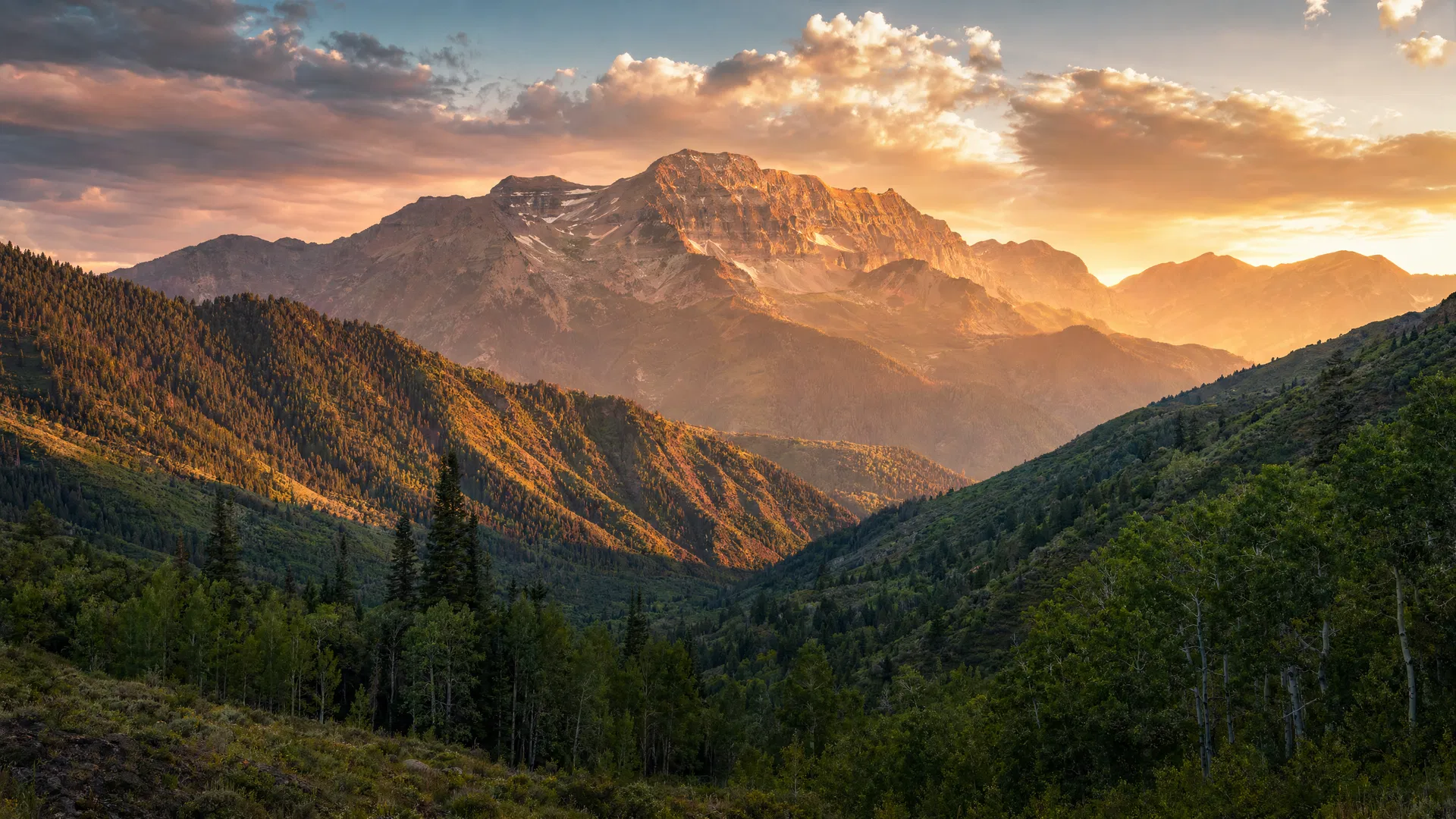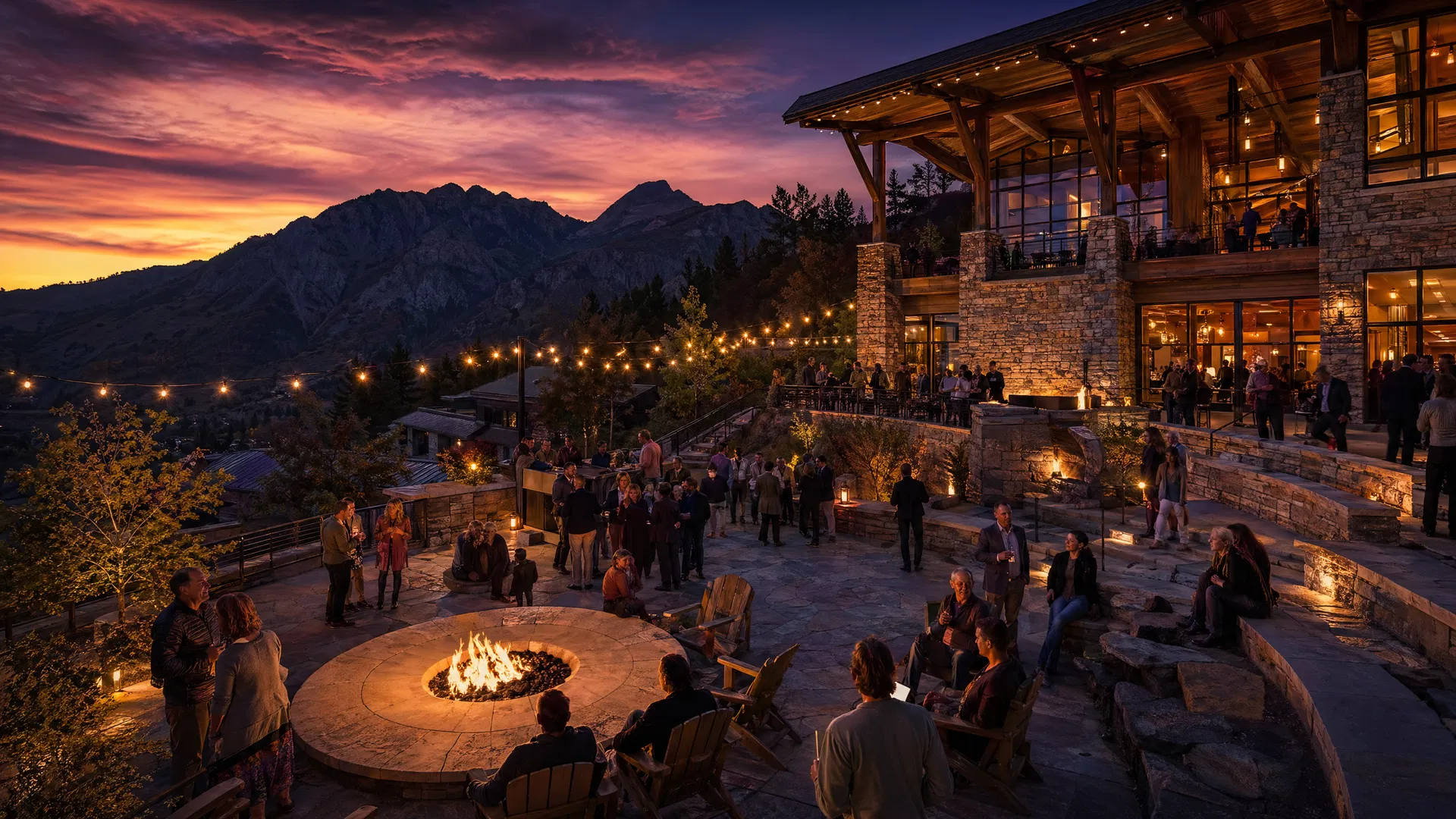
Before Vesper, this land told a different story. For decades, the site in Provo Canyon served as an active quarry—a place of extraction rather than creation. Rock was blasted, earth was moved, and the natural contours of the canyon were reshaped by industrial machinery. When operations ceased, what remained was a landscape in need of healing: exposed rock faces, compacted soil stripped of organic matter, and disrupted drainage patterns that affected the broader watershed.
The Vesper restoration project began not with blueprints for a building, but with a comprehensive ecological assessment. Teams of environmental scientists, botanists, hydrologists, and soil specialists spent months studying the site—mapping its wounds, understanding its potential, and developing a restoration plan that would guide every subsequent decision.
Soil First, Structure Second
The foundation of any ecosystem is its soil. Decades of quarrying had stripped the site of its topsoil and compacted what remained into a nearly impermeable surface. The restoration team's first priority was rebuilding the soil ecosystem from the ground up—literally. Organic matter was reintroduced. Mycorrhizal fungi networks, essential for plant health, were carefully cultivated. Native seed mixes, developed in partnership with Utah State University's ecology department, were selected for their ability to establish quickly while supporting long-term biodiversity.
"Stewardship isn't a department or a line item. It's the foundation of everything we do. We treat the land as a legacy to restore, preserve, and honor."
— Vesper Environmental Charter
The results have exceeded expectations. Within the first two growing seasons, native grasses and wildflowers began to establish across previously barren slopes. Aspen groves, planted as saplings, are now beginning to form the interconnected root systems that will sustain them for centuries. Wildlife—from mule deer to red-tailed hawks—has returned to the site in numbers that suggest the ecosystem is genuinely recovering, not merely surviving.
Water as a Living System
The Provo River watershed is one of Utah's most important water resources, and the quarry's impact on local hydrology was significant. Uncontrolled runoff carried sediment and contaminants into tributary streams. Natural drainage patterns had been disrupted, creating erosion channels that deepened with every storm.
Vesper's stormwater management system was designed not just to control runoff, but to restore natural water flow patterns. Bioswales—vegetated channels that filter water naturally—were integrated throughout the site. Retention basins capture and slowly release stormwater, mimicking the natural absorption that healthy soil provides. The result is a system that actually improves water quality as it passes through the site, returning cleaner water to the watershed than what arrives.
Trails as Connection
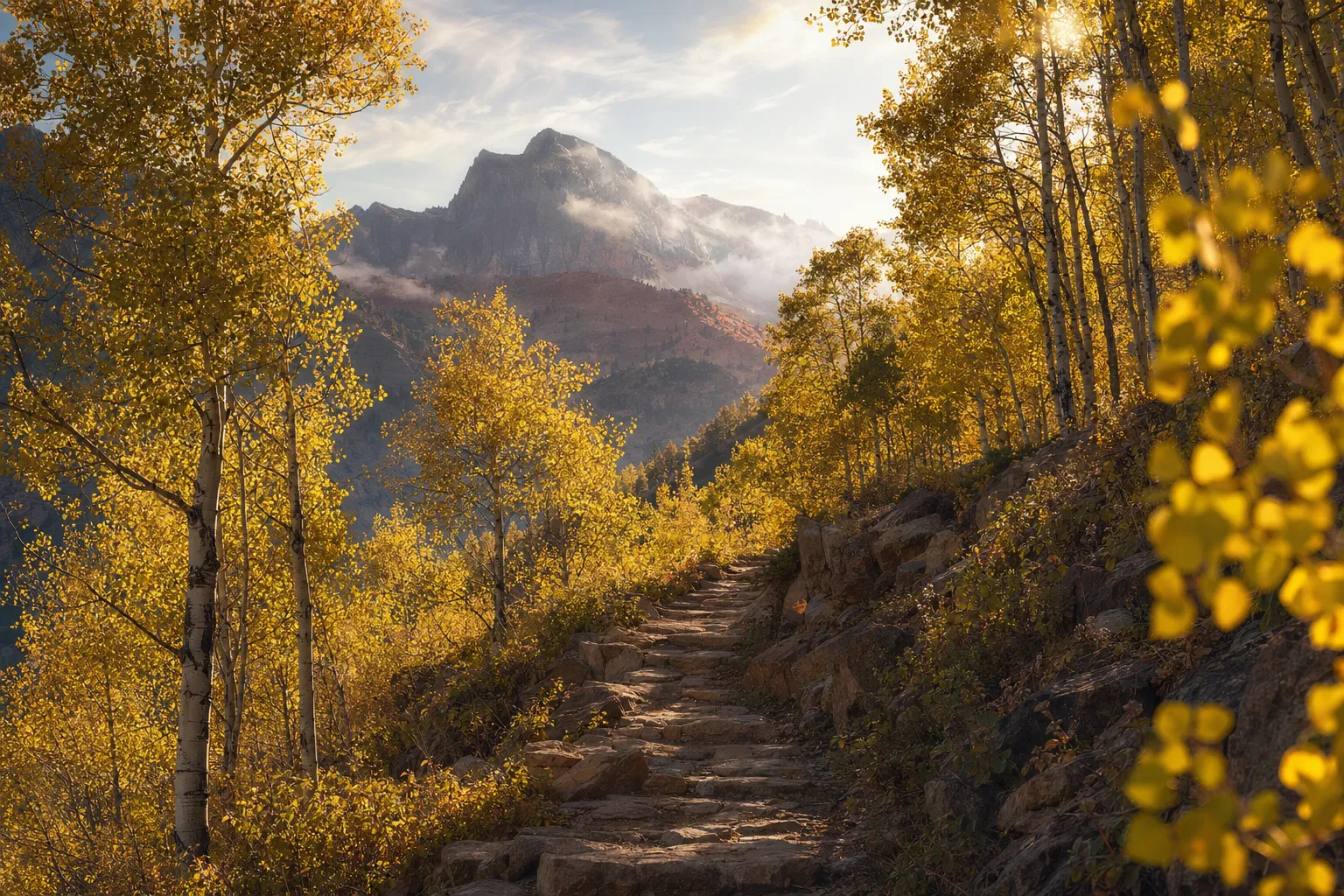
The 18.6-mile trail network at Vesper serves multiple purposes. For visitors, the trails provide access to stunning canyon views, alpine meadows, and seasonal wildflower displays. For the ecosystem, they serve as managed corridors that direct foot traffic away from sensitive restoration areas while still allowing people to experience the landscape intimately.
- Sunrise Ridge Trail — 4.2 miles of ridgeline hiking with panoramic canyon views
- Aspen Loop — 2.8-mile family-friendly loop through restored aspen groves
- South Fork Trail — 6.1 miles connecting to the broader Provo Canyon trail system
- Restoration Walk — 1.5-mile interpretive trail explaining the site's ecological journey
- Canyon Overlook — 4.0 miles to a dramatic viewpoint above the amphitheater
Each trail includes interpretive signage that tells the story of the land—its geological history, its industrial past, and its ongoing restoration. The trails are, in a sense, the most honest expression of the Vesper brand: a demonstration that beauty and responsibility can coexist, and that the most meaningful experiences often come from places that have been cared for with intention.
The restoration at Vesper is not a one-time project. It's an ongoing commitment, with monitoring programs, adaptive management plans, and community stewardship initiatives that will continue for decades.