There's a temptation, when you're building something ambitious, to retreat into the certainty of your own vision. To assume that because you've studied the market, hired the experts, and secured the funding, you have all the answers you need. At Vesper, we learned early that the most important expertise wasn't in our boardroom—it was in the community we were asking to welcome us.
Over the past three years, the Vesper team has participated in more than 200 community meetings, town halls, neighborhood gatherings, and one-on-one conversations with residents, business owners, educators, artists, and civic leaders throughout Utah Valley. These weren't presentations where we talked and the community listened. They were genuine dialogues—sometimes uncomfortable, always illuminating—that fundamentally shaped what Vesper is becoming.
Listening Before Building
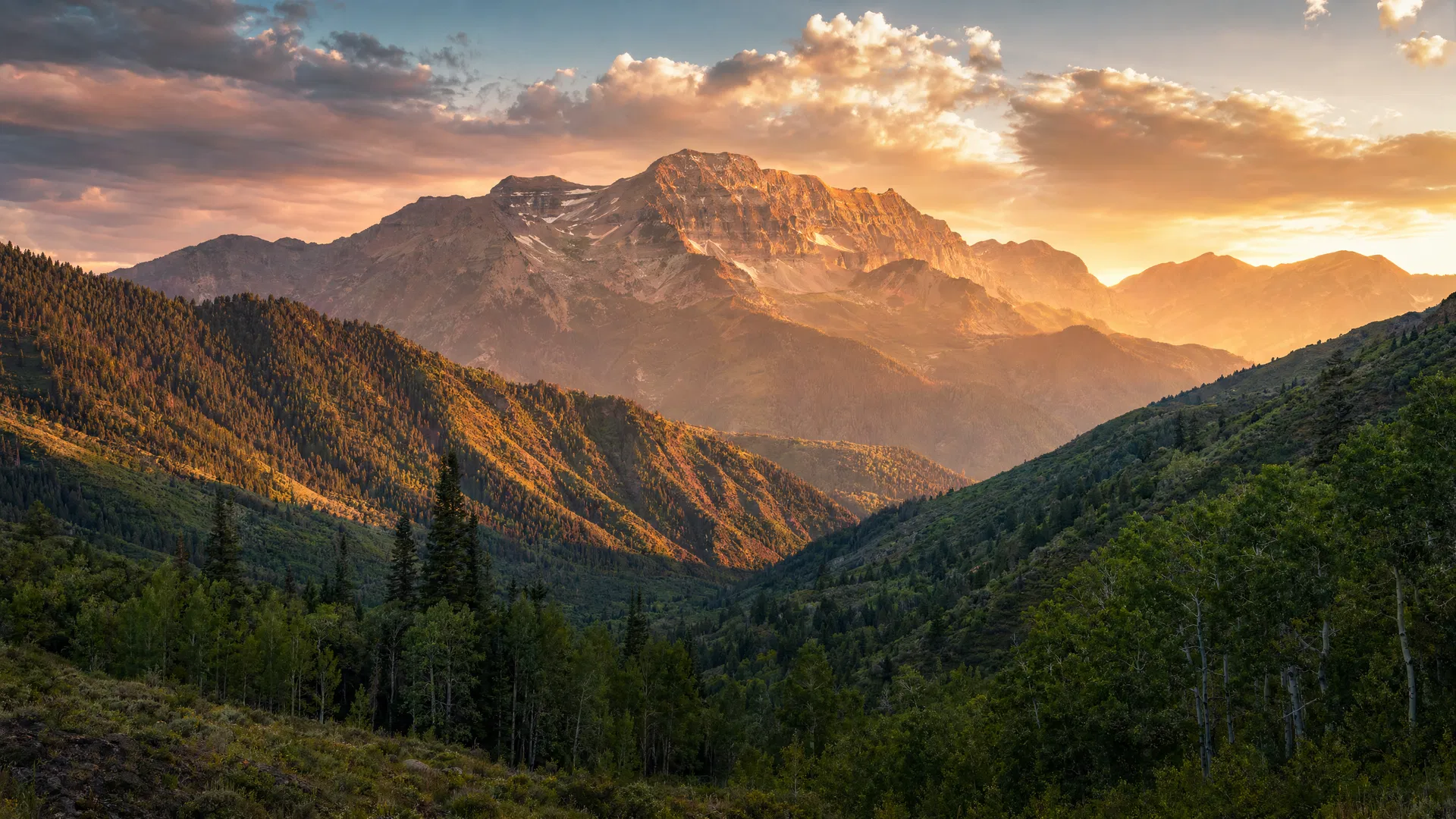
The first round of community engagement, before a single design was drawn, focused on understanding what the community valued and what it feared. The values were clear: people loved the canyon, treasured its natural beauty, and wanted any development to honor rather than diminish it. The fears were equally clear: traffic, noise, environmental damage, and the sense that an outside project might benefit visitors while burdening residents.
"We bring together families, neighbors, visitors, artists, and partners through shared experience. Connection isn't just a value—it's our method."
— Vesper Community Charter
These concerns didn't slow the project—they improved it. Traffic studies led to a comprehensive transportation plan that includes shuttle services, staggered event times, and partnerships with regional transit. Noise mitigation became a design priority, with acoustic engineering that directs sound toward the audience rather than the surrounding canyon. Environmental protections were strengthened beyond regulatory requirements, with community members serving on an ongoing stewardship advisory board.
Programming by the People
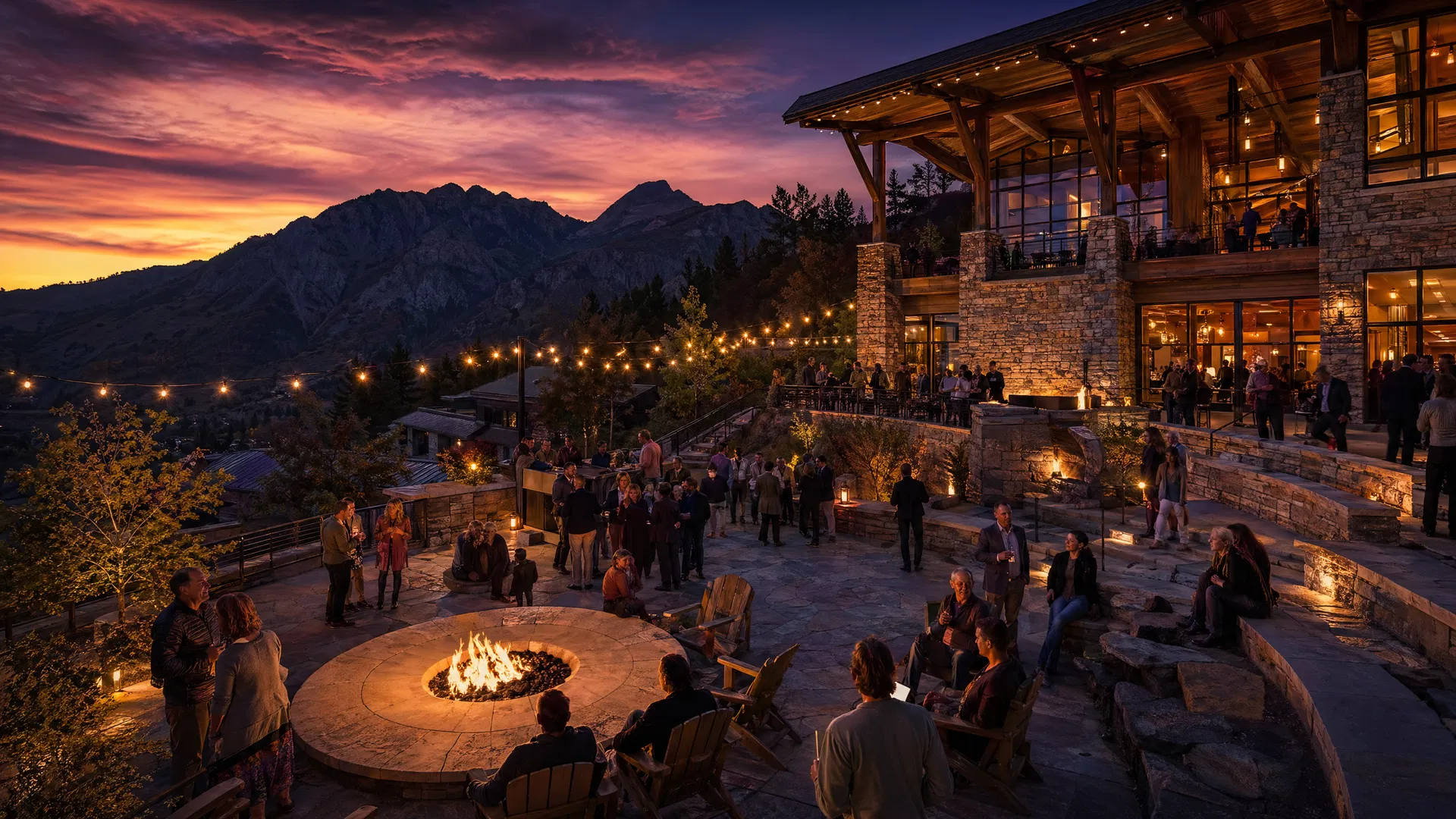
Perhaps the most meaningful impact of community engagement has been on Vesper's programming. Early conversations revealed that residents wanted more than just big-name concerts. They wanted a place for local artists to perform. They wanted educational programs for young musicians. They wanted community events—harvest dinners, film screenings, sunrise yoga—that would make Vesper feel like their place, not just a tourist destination.
The result is a programming model that balances world-class headliners with deeply local experiences. The Vesper Community Stage will host local performers every weekend during the season. A youth music education program, developed in partnership with Provo School District, will provide instruments, instruction, and performance opportunities to students who might not otherwise have access. Community nights—with reduced pricing and family-friendly programming—will ensure that Vesper remains accessible to the people who live in its shadow.
Economic Partnership
From the beginning, Vesper has been designed as an economic engine for the region. The projected $12.4 million in annual economic impact isn't an abstract number—it represents real jobs, real revenue for local businesses, and real opportunities for the community. One hundred and twenty-six permanent positions will be created, with a commitment to hiring locally first. Hundreds of additional seasonal jobs will support the venue during peak season.
Local restaurants, hotels, and shops are already preparing for the increased visitor traffic. Partnership programs connect Vesper guests with local businesses, creating a symbiotic relationship where the amphitheater drives visitors to the community and the community enriches the Vesper experience. It's the kind of economic development that strengthens rather than displaces—that adds to the fabric of a place rather than tearing it.
94% of surveyed community members support the Vesper project—a testament to the power of genuine engagement and shared ownership of the vision.