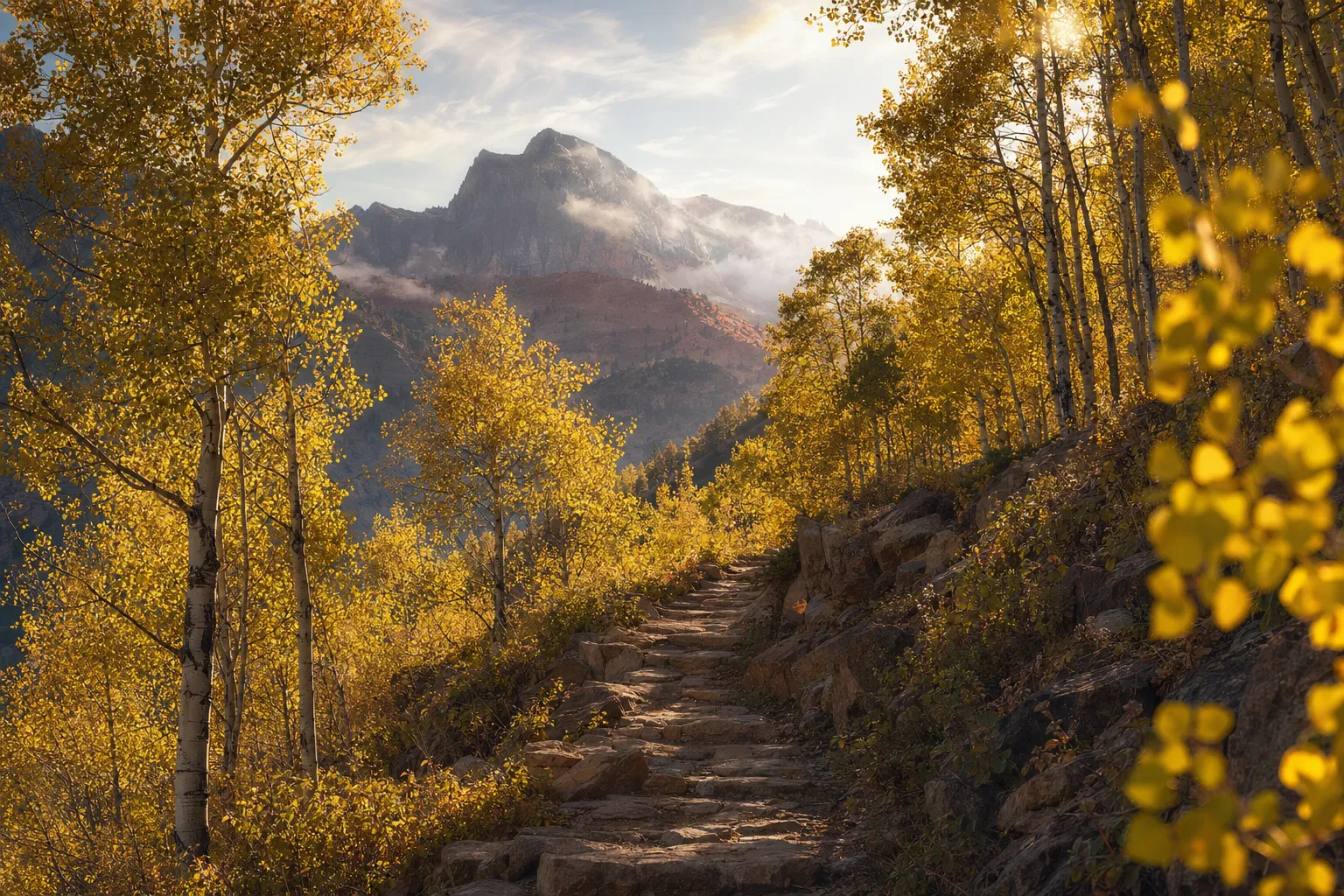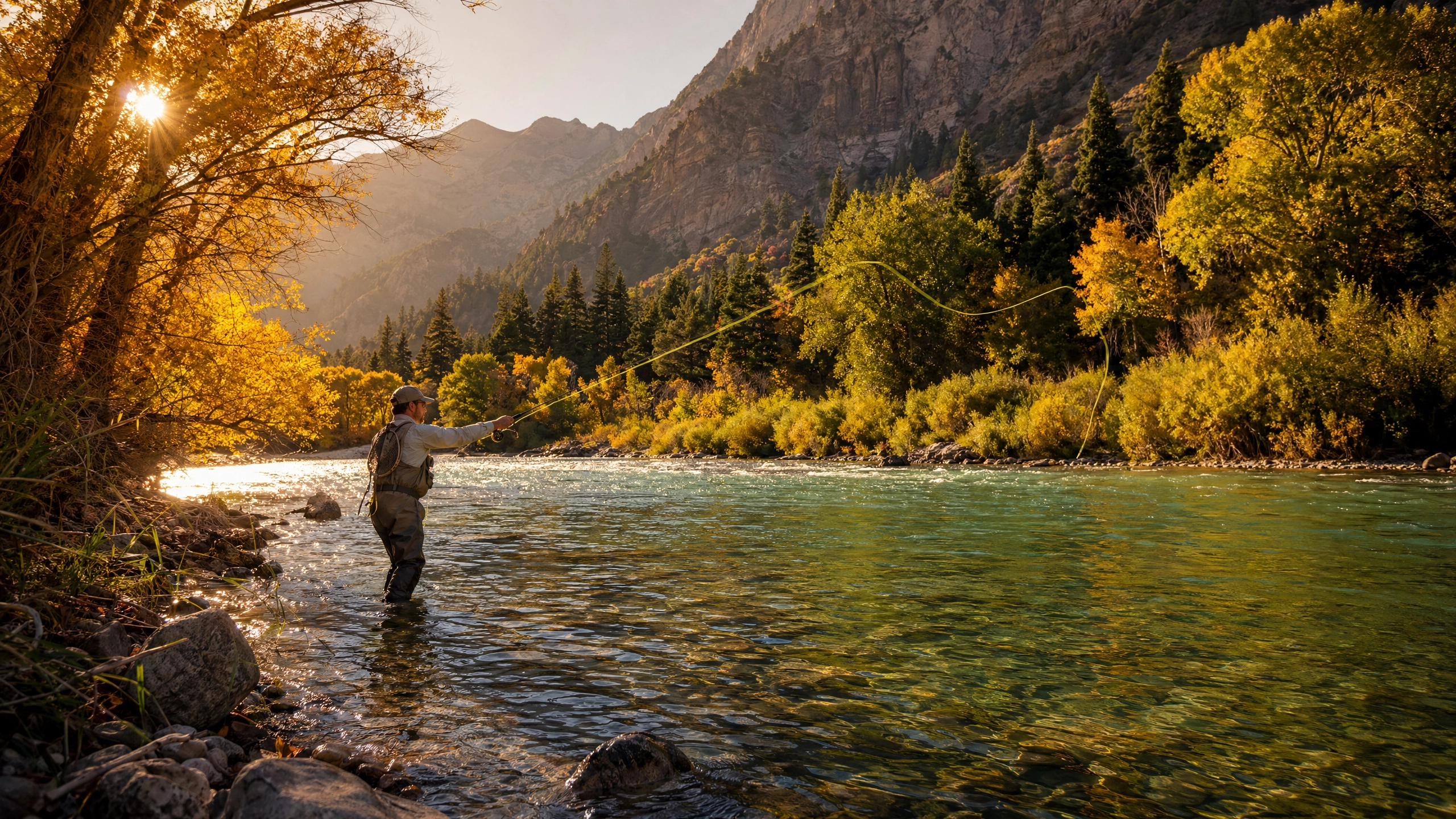
Drive into Provo Canyon on a clear morning and the scene is almost impossibly beautiful. Mount Timpanogos rises to the east, its ridgeline sharp against a sky so blue it looks painted. Cottonwoods line the Provo River, their leaves shimmering in the breeze. The canyon walls climb steeply on both sides, layered in limestone and quartzite that tells a geological story millions of years in the making.
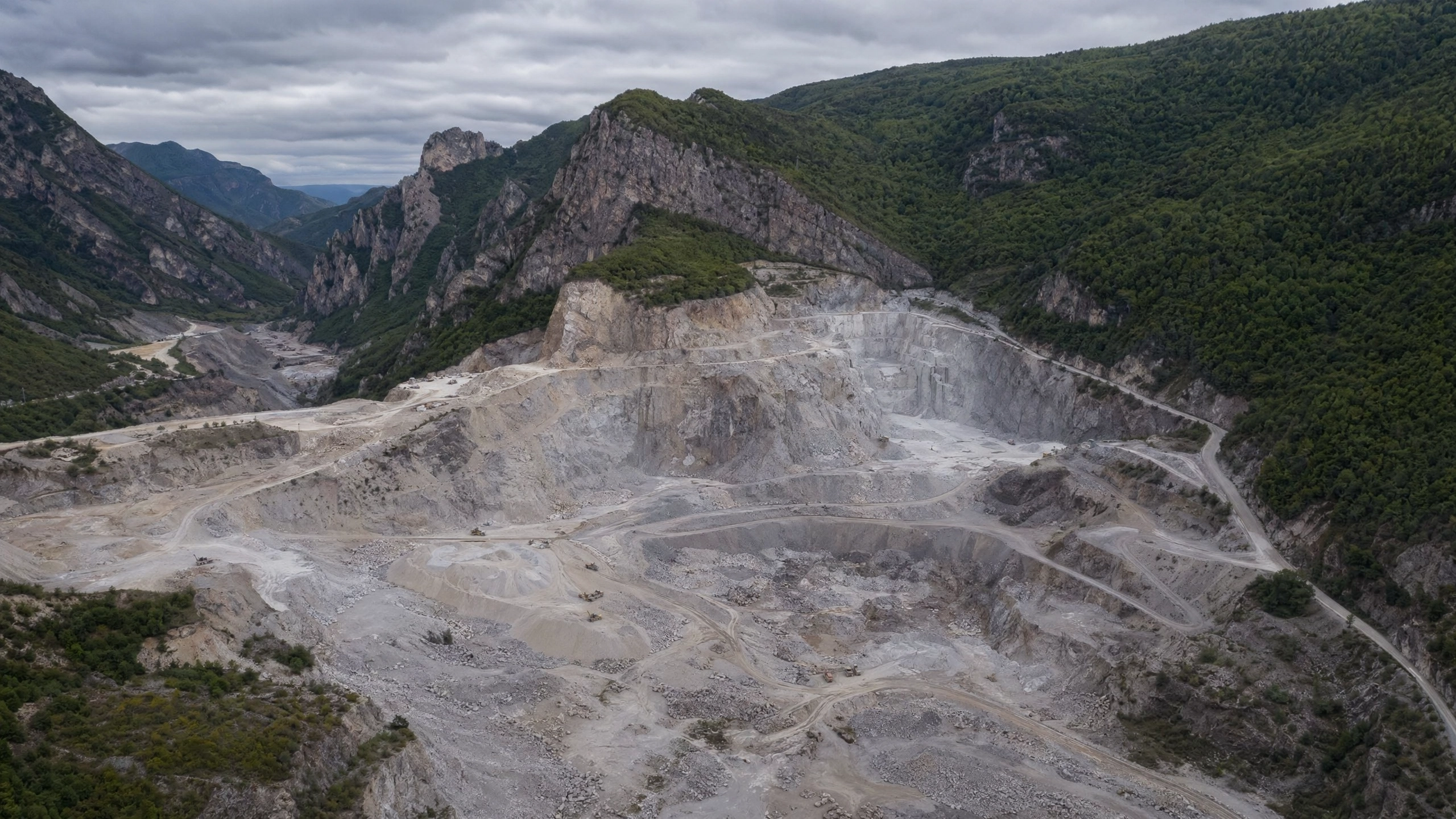
And then you see it. On the south side of the canyon, where the mountain should continue its graceful ascent, there's a wound. A massive, grey, barren expanse of exposed rock, rubble piles, and switchback haul roads carved into the mountainside. No trees. No grass. No life. Just the aftermath of decades of commercial rock extraction—a quarry that has been chewing into this canyon for over forty years.
The Scale of the Damage
The quarry encompasses 245 acres—roughly the size of 185 football fields. To put that in perspective, Central Park in New York City is 843 acres. This single quarry has consumed nearly a third of that area, all of it visible from the main canyon road that serves as the primary gateway to some of Utah's most popular recreation destinations.
The environmental damage extends far beyond the visual. Decades of blasting and excavation have stripped the site of all topsoil and organic matter—the living skin of the earth that takes centuries to develop naturally. Without topsoil, nothing grows. Without vegetation, erosion accelerates. Without root systems to hold the soil, every rainstorm sends sediment cascading downhill toward the Provo River, degrading water quality and smothering the gravel beds where brown and rainbow trout spawn.
"The quarry isn't just an eyesore. It's an active source of ecological damage—eroding into the river, fragmenting wildlife corridors, and creating a dead zone in the middle of one of Utah's most biodiverse canyons."
— Vesper Environmental Impact Assessment
A Community Barrier
The quarry's impact on the community is equally significant, though less immediately visible. For the neighborhoods of north Provo and Orem that border the canyon's mouth, the quarry has been a physical and psychological barrier for generations. There are no trails through it, no gathering spaces near it, and no reason for anyone to linger. You drive past it as quickly as possible, averting your eyes from the industrial landscape that contradicts everything the canyon represents.
This matters because Provo Canyon is one of the most heavily used recreation corridors in Utah. More than two million people pass through the canyon annually—hikers, skiers, anglers, cyclists, and families heading to Sundance, Deer Creek Reservoir, or the Timpanogos Cave National Monument. For all of them, the quarry is the first and last impression of the canyon. It says: this place is being consumed, not conserved.
The Restoration Vision
Vesper's restoration plan is not cosmetic. It doesn't involve throwing a thin layer of grass seed over the rubble and calling it done. The plan is a comprehensive, multi-year ecological restoration that addresses every dimension of the damage—soil, water, vegetation, wildlife, and human access.
The work begins with soil remediation. Clean fill and composted organic material will be imported to rebuild the topsoil layer that extraction destroyed. This isn't just dirt—it's the foundation of an entire ecosystem. Healthy soil supports microbial communities, retains moisture, filters water, and provides the medium in which plant roots can establish and spread.
Next comes revegetation. More than 50 species of native plants will be reintroduced to the site, carefully selected to match the elevation, aspect, and soil conditions of each zone. Lower slopes will feature sagebrush, rabbitbrush, and native bunchgrasses—the same species that would have covered this hillside before extraction began. Mid-slopes will be planted with Gambel oak, serviceberry, and mountain mahogany. Upper areas will receive quaking aspen, Douglas fir, and native wildflower meadows.
The revegetation plan isn't about creating a garden—it's about establishing a self-sustaining ecosystem. Within 10-15 years, the restored landscape should require minimal human intervention, maintained by the same natural processes that sustain the surrounding canyon.
Water: The Critical Thread
Water management is perhaps the most critical element of the restoration. The Provo River runs directly below the quarry site, and for decades, uncontrolled stormwater runoff has carried sediment, dust, and dissolved minerals from the quarry into the river. This sediment degrades water clarity, smothers spawning gravel, and disrupts the aquatic food chain that supports the river's renowned trout fishery.
Vesper's stormwater management system includes bioswales, retention basins, permeable surfaces, and vegetated buffer zones that will capture and filter runoff before it reaches the river. The goal isn't just to stop the damage—it's to measurably improve water quality in this stretch of the Provo River compared to current conditions.
Trails: The Community Connection
Perhaps the most immediately tangible benefit of the restoration is the trail network. 18.6 miles of new public trails will be constructed through and around the restored site, creating connections that have never existed before. The Canyon Rim Trail will follow the upper edge of the former quarry with panoramic views. The River Walk will provide the first dedicated public path along this stretch of the Provo River. The Timpanogos Connector will link Vesper's network to the broader regional trail system.
These trails are free. They're open year-round. They're designed for hikers, mountain bikers, trail runners, and families with strollers. They include ADA-accessible segments, interpretive signage, and rest areas with views. They transform a dead zone into a destination—a place where the community can gather, exercise, learn, and connect with the landscape that defines their home.
From Scar to Story
The quarry's transformation is more than an environmental project. It's a narrative about what's possible when a community decides to heal rather than ignore. When we choose restoration over resignation. When we invest in the long-term health of a place rather than accepting the short-term convenience of looking away.
In ten years, the quarry will be unrecognizable. Where there was bare rock, there will be aspen groves. Where there was rubble, there will be wildflower meadows. Where there was a barrier, there will be trails connecting neighborhoods to nature. And at the heart of it all, a world-class amphitheater will host performances against a backdrop that tells the most powerful story of all: that damaged places can be made whole again.
"We don't just build on the land. We build with it. The restoration isn't separate from Vesper—it is Vesper."
— Jordan Reese, Executive Director